
If you rely on a septic tank, knowing how often a septic tank should be emptied is one of the most important parts of looking after the system.
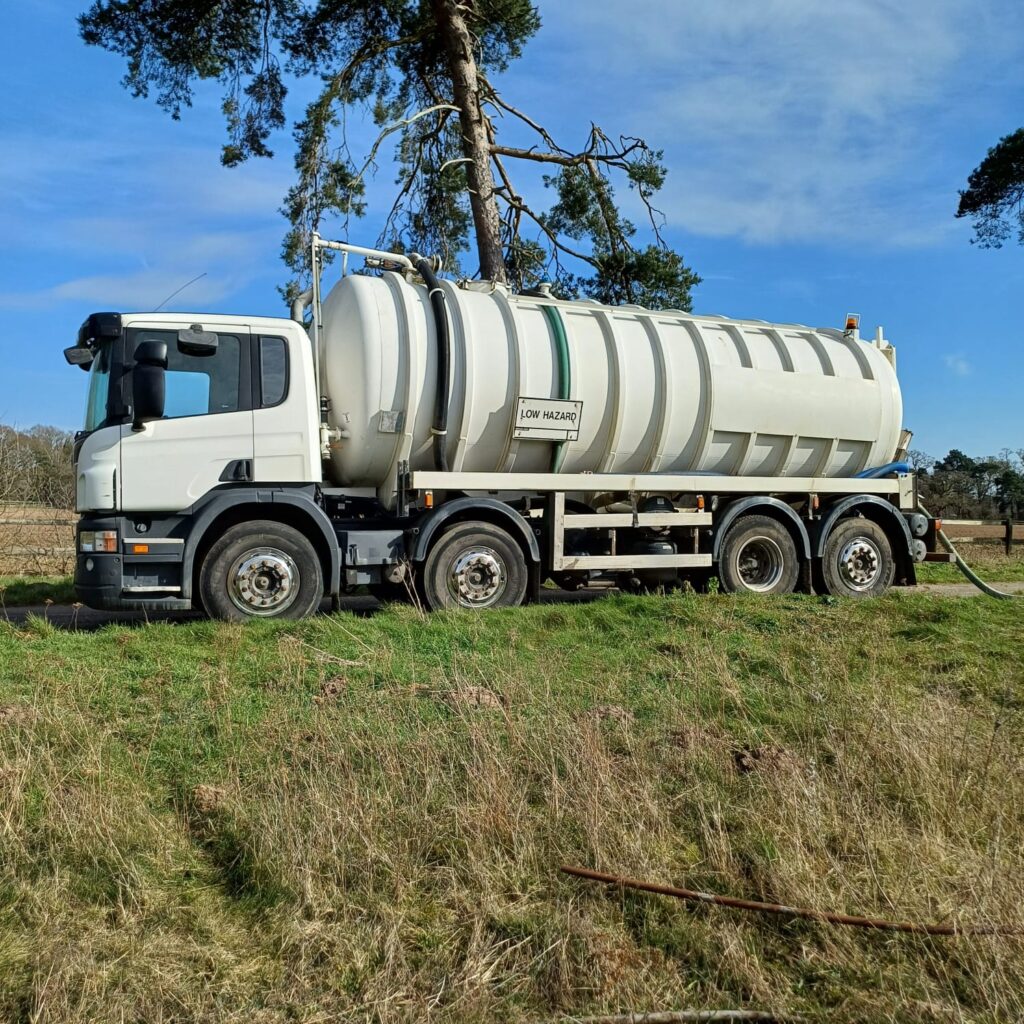
For many properties, planning for septic tank emptying at least once a year is a sensible starting point. In England, Environment Agency guidance says sludge should be removed before it exceeds the system's maximum capacity and advises doing this at least annually or in line with the manufacturer's instructions.
That does not mean every septic tank will fill at exactly the same rate. Tank capacity, the number of people using the property, water usage and commercial demand can all affect how quickly sludge builds up.
The best approach is therefore to combine a regular maintenance schedule with an understanding of how your particular system is being used.
The Short Answer For Septic Tank Owners
A septic tank should be emptied before accumulated sludge reaches the tank's maximum capacity .
As a practical rule:
- Arrange emptying at least annually unless your system's manufacturer specifies otherwise.
- Properties with heavier usage may require more frequent attention.
- Do not wait for sewage to back up or the tank to overflow before arranging maintenance.
- Keep a record of previous emptying dates so you can understand how quickly your own system fills.
- If you have recently moved into a property and do not know when the tank was last emptied, it is sensible to establish its condition and maintenance history.
This distinction matters because an annual maintenance schedule and the actual point at which an individual tank needs emptying are related, but they are not necessarily identical.
Why There Is No Single Emptying Schedule For Every Septic Tank
Two similar properties can have very different septic tank requirements.
A tank serving one or two people will generally experience a different level of use from the same-sized tank serving a large family, holiday accommodation or a busy commercial property.
Several factors influence septic tank emptying frequency.
The Size Of Your Septic Tank
Tank capacity matters.
A larger tank may be able to accommodate more accumulated material than a smaller system, but capacity should never be considered in isolation. A large tank serving a heavily used property can still require regular emptying.
If you know the make, model or capacity of your system, retain this information with your maintenance records.
How Many People Use The Property
More occupants generally means more wastewater entering the system.
A rural cottage occupied by two people is unlikely to place the same demand on its septic system as a large household with several bathrooms in daily use.
Changes in occupancy can therefore affect your usual emptying schedule.
For example, a property that has historically been occupied by two people may need its maintenance plan reconsidered if a larger family moves in.
How The Property Is Used
Usage patterns can be just as important as the number of occupants.
Holiday accommodation, rental properties, farms and commercial premises can experience periods of much heavier demand.
A holiday property, for example, may have relatively low use during quieter months but significantly greater wastewater volumes during periods of high occupancy.
Commercial premises may also need a more structured maintenance programme because disruption caused by an unexpectedly full system can affect business operations.
The Condition & Design Of The System
Septic tanks form part of a wider wastewater system.
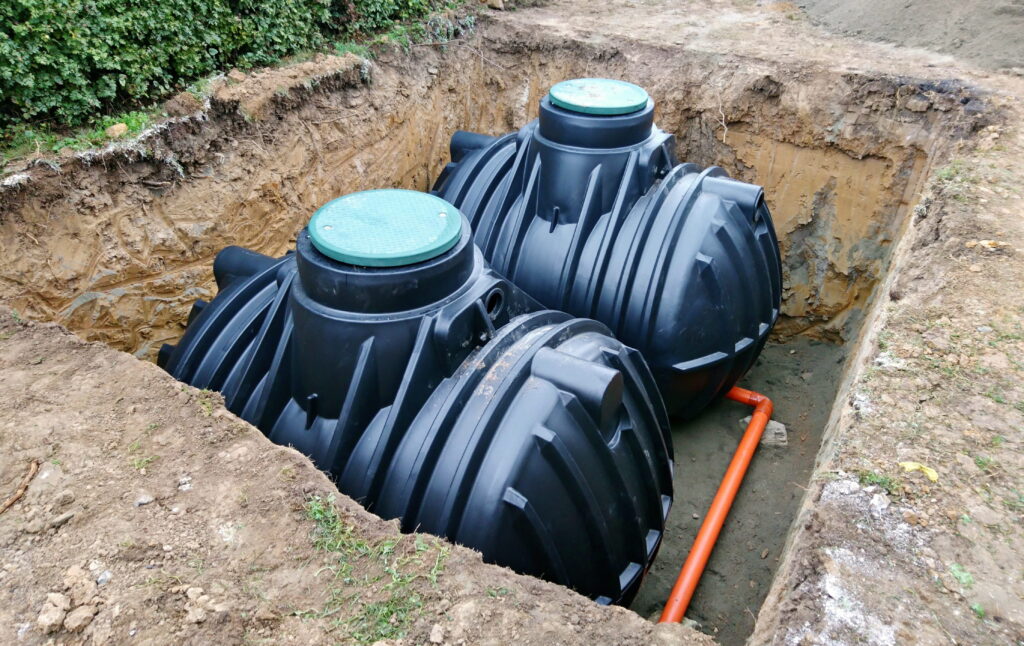
In a conventional system, solids settle within the tank while liquid effluent leaves the tank and passes into an appropriate drainage field.
If sludge is allowed to accumulate excessively, solids can leave the tank and enter the drainage field. Environment Agency guidance warns that insufficient desludging can damage the drainage field or soakaway and potentially cause pollution. [Source]
That is one reason planned emptying is about more than simply creating spare room inside the tank.
Changes In Water Use
A significant increase in water use can change the demands placed on your system.
This may happen when:
- More people move into the property
- Guests stay for extended periods
- A property changes from occasional to permanent occupation
- A holiday let experiences higher occupancy
- The use of a commercial property changes
If the way a property is being used changes, it is worth reviewing whether your previous septic tank maintenance schedule is still appropriate.
Should You Simply Have Your Septic Tank Emptied Once A Year?
Annual emptying is a useful benchmark, but it should not become a rule that prevents you from thinking about the system itself.
The important phrase is before it exceeds capacity.
If your tank requires attention sooner because of its capacity or level of use, waiting for an arbitrary anniversary date would not make sense.
Equally, you should not assume that because a septic tank appears to be working normally, maintenance can simply be postponed indefinitely.
A scheduled approach provides an opportunity to deal with accumulated sludge before it contributes to more disruptive problems.
What Happens If A Septic Tank Is Not Emptied Often Enough?
Inside a septic tank, solids settle and build up over time.
If that material is not removed, the available working capacity of the tank reduces. Eventually, excessive sludge can begin to interfere with the way the system functions.
Potential consequences can include:
- Wastewater backing up towards the property
- Unpleasant sewage smells
- Drainage becoming slow
- Solids reaching the drainage field
- Wastewater appearing where it should not
- Greater risk of pollution
- Damage to downstream parts of the system
- Unexpected disruption when urgent emptying becomes necessary
Preventative emptying is therefore preferable to using an overflow or drainage failure as your reminder that maintenance is due.
What Are The Signs Your Septic Tank May Need Emptying?
A maintenance schedule is more reliable than waiting for symptoms, but recognising warning signs is still useful.
Common signs that something may require attention include:
- Drains becoming noticeably slower
- Toilets struggling to clear normally
- Gurgling noises from drainage
- Persistent sewage odours
- Wastewater backing up
- Unusually wet or waterlogged ground around parts of the system
- Recurring drainage problems
These signs do not automatically prove that the septic tank simply needs emptying.
For example, slow drains could also be caused by a blockage elsewhere in the drainage system. Wet ground may indicate a problem with the drainage field rather than the tank itself.
That distinction is important. Emptying a septic tank may relieve one problem, but it will not repair an unrelated drainage defect.
If symptoms continue after the tank has been emptied, the wider drainage system may need further investigation through appropriate drainage services.
View Here
Do Not Wait Until Your Septic Tank Overflows
Overflow should not be treated as a normal indicator that it is time to empty a septic tank.
By that stage, wastewater may already be backing up or escaping where it should not.
A more useful approach is to establish a maintenance pattern before problems appear.
If you have your tank emptied now, record:
- The date
- Any known tank capacity
- Approximate occupancy
- Any unusual periods of heavy use
- Comments made about the amount of accumulated material
- Relevant maintenance or repair work
When the tank is next serviced, you have something meaningful to compare against.
Over time, this creates a maintenance history specific to your property rather than relying entirely on general estimates.
What If You Have Just Moved Into A Property With A Septic Tank?
Buying or moving into a property with private drainage can introduce an extra complication: you may have no idea when the system was last maintained.
If records are available, review them.
When a property with a small sewage discharge is sold, the operator has responsibilities around providing the new operator with information about the wastewater system and its maintenance requirements. We advise keeping maintenance records where available. [Source]
Useful information includes:
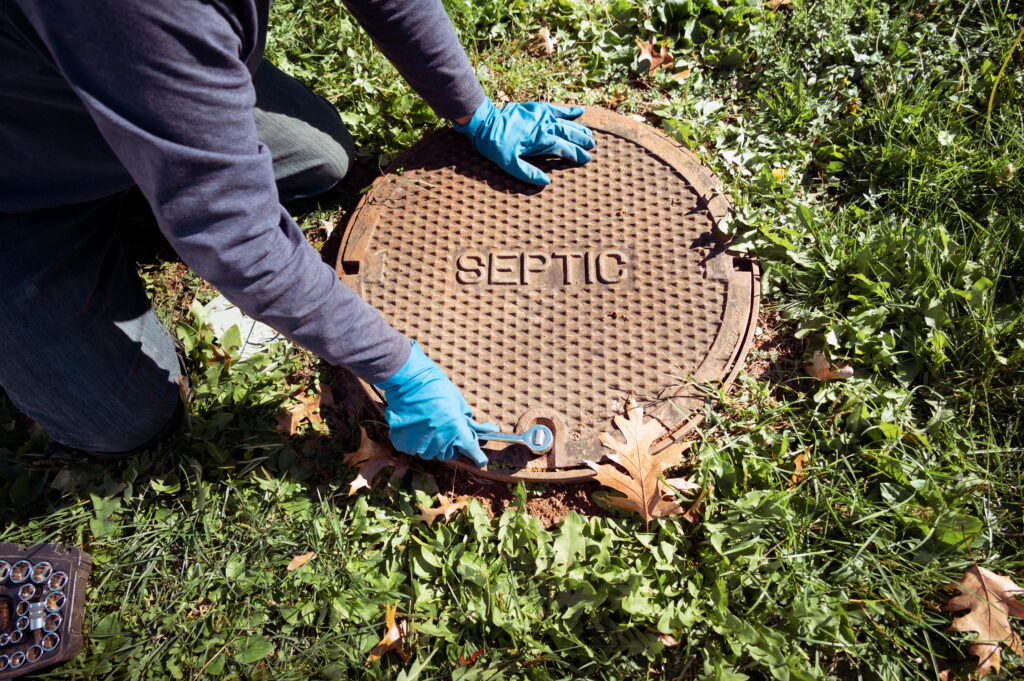
- The location of the septic tank
- The location of the drainage field
- The system type
- Manufacturer information
- Previous emptying dates
- Maintenance history
- Repairs or changes made to the system
If you cannot establish when the tank was last emptied, arranging professional advice can help you establish a new maintenance baseline.
Septic Tank Or Cesspit? The Emptying Schedule Is Different
Knowing what system you actually have matters.
Septic Tank
A septic tank separates solids from wastewater, with liquid effluent leaving the tank for further treatment through an appropriate drainage field.
Cesspit Or Cesspool
A cesspit or cesspool is a sealed holding tank. It stores sewage rather than treating and discharging it, which means it may require emptying much more frequently.
If you are regularly arranging very frequent emptying but have always referred to the system as a septic tank, it may be worth confirming exactly what type of system you have.
How Can You Work Out The Right Emptying Schedule For Your Property?
Start with the official guidance, then adjust your maintenance planning around the actual system.
A simple approach is:
- Identify what type of wastewater system you have.
- Find the manufacturer's instructions where available.
- Check when the tank was last emptied.
- Establish the approximate tank capacity.
- Consider how many people regularly use the property.
- Account for seasonal or commercial peaks in usage.
- Arrange emptying before accumulated sludge reaches maximum capacity.
- Keep records so future maintenance can be planned using real information from your system.
If you are unsure, asking an experienced wastewater professional is more useful than waiting until the system develops obvious symptoms.
What About Farms, Holiday Accommodation & Commercial Properties?
The same basic principles apply, but usage can be less predictable.
A domestic property may have relatively consistent occupancy throughout the year. Businesses and other sites can fluctuate considerably.
For example:
- A holiday park or holiday let may experience seasonal occupancy peaks
- A farm may have additional staff or facilities in use at particular times
- Commercial premises may have changing workforce levels
- Rental properties may experience changing household sizes
- Construction or temporary facilities may have varying site populations
For these properties, maintenance based only on a generic calendar interval can be less useful than a planned schedule informed by actual site demand.
FES 24/7 works with both domestic and commercial wastewater requirements, so planned servicing can be discussed where an ongoing emptying schedule is more appropriate than arranging each visit reactively.
A Practical Maintenance Approach From FES 24/7
After more than 26 years working within drainage and wastewater, including 20 years of Anglian Water experience, one of the most useful principles we can give customers is simple: know your system and maintain it before it becomes a problem .
There is rarely any benefit in deliberately waiting for sewage smells, backing-up drains or overflowing wastewater to tell you the tank requires attention.
For many customers, annual emptying provides a sensible maintenance framework. But tank size, occupancy, usage and the manufacturer's guidance still matter.
If your circumstances change, review the schedule rather than assuming the interval that worked previously will always remain suitable.
You can find more practical wastewater guidance in our Ask The Expert knowledge hub.
Frequently Asked Questions
How Often Should A Household Septic Tank Be Emptied?
Environment Agency guidance recommends removing accumulated sludge before it exceeds the tank's maximum capacity and advises doing this at least annually or according to the manufacturer's instructions.
Individual requirements can vary according to tank capacity, occupancy and usage.
Can A Septic Tank Need Emptying More Than Once A Year?
Yes. Heavy usage, a smaller tank or increased occupancy can mean a system requires attention sooner.
Repeatedly needing unusually frequent emptying may also justify checking whether another problem is affecting the system.
How Do I Know When My Septic Tank Was Last Emptied?
Check previous invoices, maintenance documents or information supplied when you purchased the property.
If the date cannot be established, professional advice can help you assess the system and begin a new maintenance record.
Should I Wait Until My Septic Tank Smells Before Emptying It?
No. Sewage odours can indicate that something requires attention, but routine maintenance should ideally prevent the system reaching that stage.
Use a planned schedule rather than relying on smells or overflow as maintenance reminders.
What Is The Difference Between Emptying & Maintaining A Septic Tank?
Emptying removes accumulated sludge and wastewater from the tank. Maintenance is broader and involves keeping the wastewater system functioning correctly, following manufacturer instructions and addressing faults or deterioration when they arise.
Emptying a tank will not fix every drainage or drainage-field problem.
Can I Empty A Septic Tank Myself?
Septic tank waste needs to be collected, transported and disposed of appropriately. Waste sludge must be safely disposed of by an authorised person and advises using a registered waste carrier.
Professional septic tank emptying is therefore the appropriate route for removing and disposing of the contents responsibly.
Unsure When Your Septic Tank Was Last Emptied?
If you know your tank is approaching its usual maintenance date, have recently moved into a property without clear servicing records or are noticing signs that the system may need attention, you do not need to wait for an overflow to take action.
FES 24/7 provides professional septic tank emptying for homes, farms and commercial customers. We are based in Downham Market and serve customers across West Norfolk and North Cambridgeshire, with more than 26 years of drainage and wastewater experience behind our advice.
For straightforward guidance about your system, contact FES 24/7 or call 0800 0622 585 to discuss what you are experiencing and the most appropriate next step.